


By Thabo Peyi

March 10th, 2026

6 min read

Digital IDs Explained: How Digital Identity Is Changing the Connected World

How Digital IDs Are Changing What It Means to Be Connected.

Think about how much of life already lives on your phone. You unlock banking apps with facial recognition. Your boarding pass lives in your wallet app. Your phone helps you log into work, pay bills, and access services. Now imagine if your identity worked the same way. That’s the idea behind digital IDs.

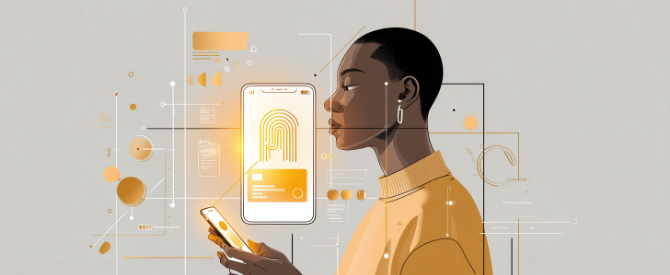
A digital ID is a secure electronic version of your identity that lets you prove who you are online, and sometimes in person – without needing to pull out a physical card or document. Instead of presenting a passport or ID book, your identity can be verified using secure digital credentials stored on your phone, in an app, or within a protected system.

In simple terms, a digital ID can include things like: Personal information such as your name and date of birth. Biometric verification like fingerprints or facial recognition. Government-issued credentials such as a driver’s licence or national ID. Secure authentication for banking or public services.

Some countries are already far ahead in this space. Estonia, for example, allows citizens to vote, pay taxes, sign documents, and access healthcare entirely online. In a digital world, identity is no longer something you carry. It’s something you connect with.


Why Digital Identity Matters.

As more services move online, verifying who someone is remotely becomes essential. Banks need to confirm identities before opening accounts. Governments need to make sure services reach the right people. Businesses need secure ways to onboard customers. Without reliable digital identification, fraud increases and access becomes harder.

According to the World Bank, secure identification is a key step toward economic inclusion. If you can’t prove who you are, you can’t fully participate in the digital economy. Digital ID systems help by: Expanding access to financial and government services. Reducing fraud and identity theft. Enabling digital economies to grow. Making government systems faster and more efficient.

As digital services become the norm, identity becomes the gateway to opportunity.

The Benefits of Digital ID

When designed well, digital IDs can make everyday life simpler.

Convenience. No need to carry multiple documents. Your identity travels with you digitally.

Speed. Opening a bank account, accessing healthcare, or registering for services can happen much faster.

Security. Encryption and biometric verification can reduce some of the risks associated with physical documents.

Inclusion. Digital ID programmes can help people without traditional paperwork access services like banking, social grants, or mobile money.

In many developing economies, digital identity systems are directly linked to greater financial inclusion and economic participation.

The Risks and Privacy Questions.

Of course, digital identity also raises important questions. One of the biggest concerns is privacy. Centralised databases that store identity data can be vulnerable to misuse, breaches, or overreach if they aren’t properly protected.

Some of the key risks include: Surveillance. Without clear rules and oversight, digital identity systems could potentially allow governments or organisations to track citizens. Digital Exclusion. People without smartphones, reliable internet, or digital skills may struggle to access digital systems. Cybersecurity Threats. Even advanced systems can be targeted by hackers if they aren’t designed and maintained securely.

The real question isn’t whether digital IDs are efficient. It’s whether they’re fair, secure, and accountable.

Digital IDs and Low-Income Communities.

Digital identity can be especially powerful, and complicated, for lower-income communities. On the positive side, digital IDs can: Make it easier to access social grants. Reduce bureaucracy and corruption. Allow people to open bank accounts without traditional paperwork.

But there are also potential downsides. People without devices or internet access may be left out of systems entirely. Biometric identification errors could prevent someone from accessing essential services. And if personal data isn’t properly protected, it can create new power imbalances.

Technology alone isn’t enough. Trust, governance, and oversight matter just as much.

Are Digital IDs Safe?

One of the most common questions people ask is simple: Are digital IDs actually safe? The answer depends largely on how the system is designed.

When digital ID systems are decentralised, encrypted, and backed by strong privacy laws, they can significantly improve security and reduce fraud. But when safeguards are weak, they can expose people to surveillance or misuse of their personal data.

Digital identity isn’t inherently good or bad. Its impact depends on transparency, accountability, and responsible governance.

The Future of Digital Identity.

Digital IDs sit at the crossroads of technology, privacy, governance, and inclusion. They have the potential to simplify services, expand access, and support growing digital economies. But they also require thoughtful design and strong safeguards.

Because in a world where your phone could act as your passport, bank card, and access key to essential services… identity isn’t just personal anymore. It’s digital. And it’s changing what it means to belong in a connected world.

Latest Blogs

Protecting Truth in the Age of AI : Deepfakes and the Right to Reality:

Digital IDs Explained: How Digital Identity Is Changing the Connected World

Fun Apps You Can Play With Long-Distance Loved Ones

Digital IDs Explained: How Digital Identity Is Changing the Connected World.

Thabo Peyi

March 10th, 2026

6 min read

How Digital IDs Are Changing What It Means to Be Connected.

Think about how much of life already lives on your phone. You unlock banking apps with facial recognition. Your boarding pass lives in your wallet app. Your phone helps you log into work, pay bills, and access services. Now imagine if your identity worked the same way. That’s the idea behind digital IDs.

A digital ID is a secure electronic version of your identity that lets you prove who you are online, and sometimes in person – without needing to pull out a physical card or document. Instead of presenting a passport or ID book, your identity can be verified using secure digital credentials stored on your phone, in an app, or within a protected system.

In simple terms, a digital ID can include things like: Personal information such as your name and date of birth. Biometric verification like fingerprints or facial recognition. Government-issued credentials such as a driver’s licence or national ID. Secure authentication for banking or public services.

Some countries are already far ahead in this space. Estonia, for example, allows citizens to vote, pay taxes, sign documents, and access healthcare entirely online. In a digital world, identity is no longer something you carry. It’s something you connect with.

Why Digital Identity Matters.

As more services move online, verifying who someone is remotely becomes essential. Banks need to confirm identities before opening accounts. Governments need to make sure services reach the right people. Businesses need secure ways to onboard customers. Without reliable digital identification, fraud increases and access becomes harder.

According to the World Bank, secure identification is a key step toward economic inclusion. If you can’t prove who you are, you can’t fully participate in the digital economy. Digital ID systems help by: Expanding access to financial and government services. Reducing fraud and identity theft. Enabling digital economies to grow. Making government systems faster and more efficient.

As digital services become the norm, identity becomes the gateway to opportunity.

The Benefits of Digital ID

When designed well, digital IDs can make everyday life simpler.

Convenience. No need to carry multiple documents. Your identity travels with you digitally.

Speed. Opening a bank account, accessing healthcare, or registering for services can happen much faster.

Security. Encryption and biometric verification can reduce some of the risks associated with physical documents.

Inclusion. Digital ID programmes can help people without traditional paperwork access services like banking, social grants, or mobile money.

In many developing economies, digital identity systems are directly linked to greater financial inclusion and economic participation.

The Risks and Privacy Questions.

Of course, digital identity also raises important questions. One of the biggest concerns is privacy. Centralised databases that store identity data can be vulnerable to misuse, breaches, or overreach if they aren’t properly protected.

Some of the key risks include: Surveillance. Without clear rules and oversight, digital identity systems could potentially allow governments or organisations to track citizens. Digital Exclusion. People without smartphones, reliable internet, or digital skills may struggle to access digital systems. Cybersecurity Threats. Even advanced systems can be targeted by hackers if they aren’t designed and maintained securely.

The real question isn’t whether digital IDs are efficient. It’s whether they’re fair, secure, and accountable.

Digital IDs and Low-Income Communities.

Digital identity can be especially powerful, and complicated, for lower-income communities. On the positive side, digital IDs can: Make it easier to access social grants. Reduce bureaucracy and corruption. Allow people to open bank accounts without traditional paperwork.

But there are also potential downsides. People without devices or internet access may be left out of systems entirely. Biometric identification errors could prevent someone from accessing essential services. And if personal data isn’t properly protected, it can create new power imbalances.

Technology alone isn’t enough. Trust, governance, and oversight matter just as much.

Are Digital IDs Safe?

One of the most common questions people ask is simple: Are digital IDs actually safe? The answer depends largely on how the system is designed.

When digital ID systems are decentralised, encrypted, and backed by strong privacy laws, they can significantly improve security and reduce fraud. But when safeguards are weak, they can expose people to surveillance or misuse of their personal data.

Digital identity isn’t inherently good or bad. Its impact depends on transparency, accountability, and responsible governance.

The Future of Digital Identity.

Digital IDs sit at the crossroads of technology, privacy, governance, and inclusion. They have the potential to simplify services, expand access, and support growing digital economies. But they also require thoughtful design and strong safeguards.

Because in a world where your phone could act as your passport, bank card, and access key to essential services… identity isn’t just personal anymore. It’s digital. And it’s changing what it means to belong in a connected world.