By Klikd
Oct 12th, 2025
7 min read
TikTok, AI and Deepfakes: Can Kids Still Tell What’s Real?
Content provided by Klikd; helping parents, educators, children, and teens cultivate safer, more productive relationships with technology.
OpenAI has launched a brand-new social media app powered by Sora 2, their advanced video tool. At first glance, it looks and feels like TikTok – short, scrollable videos, catchy music, and viral trends.
The twist? Every single video is AI-generated. No real people. No cameras. No reality.
Sora 2 promises creativity, connection, and play. But beneath the shiny surface, it’s also a whole new mental and emotional landscape for t/weens – one where the line between real and fabricated is going to quietly and not so subtly begin to blur.
Let’s unpack the good, the worrying, and how to help your child navigate it safely.
Related
Categories
All
Entertainment
Self Help
Tech News
Company Updates
Community
Social Media
What Exactly Is Sora 2’s New Social App?
In parent friendly terms, here’s what we know at Klikd so far:
- Users can generate 5- to 10-second videos using simple text prompts (“a rainy city at night” or “me dancing on Mars”).
- There’s a “cameo” feature, where users can allow the AI to use their face or likeness in generated videos.
- If someone uses your likeness, you reportedly get a notification, even if the video isn’t published.
- You can remix or re-imagine others’ videos, creating collaborative or competitive chains of content.
- Importantly, you can’t upload real photos or videos — everything is AI-made.
- The app is currently invite-only, launching first on iOS, and powered by OpenAI’s newest video model, Sora 2, which generates synchronised audio and realistic motion.
In other words, it’s a TikTok made of dreams — or deepfakes — depending on who’s using it.
It’s a swipe-able short-video feed, like TikTok and Instagram and SnapChat all having a party – but every video will be created by AI, not filmed by people.
The Promise: Why This Could Be Good
1. A creative playground without cameras:
For shy or private teens, this could be an outlet to express creativity without recording themselves. They can direct, act, or invent stories — without needing a camera or a “perfect” look.
2. Less comparison pressure (sort of):
Because everything is AI, not filmed reality, there might be less pressure to look or live a certain way. The comparison shifts from “Why don’t I look like her?” to “That’s just an AI fantasy.”
3. Learning digital literacy:
This app could be a great space to teach critical thinking: What’s real? What’s AI. Understanding that line is an essential skill for this generation.
4. Identity transparency:
Unlike some apps, Sora 2 will reportedly notify users when their face or likeness is used. That’s a step toward responsible identity management online.
5. A glimpse into the future:
This is where social media is heading — toward blended, co-created, AI-powered realities. Early awareness helps families adapt rather than panic.
The Risks: What Parents Should Watch For
1. Deepfakes & reality confusion:
AI-generated videos can look real. Teens (and adults) might struggle to tell the difference, making misinformation, manipulation, or bullying easier than ever.
2. Misuse of identity:
Even with “notifications,” misuse can happen. Imagine a classmate remixes your child’s face into a weird or suggestive scene — it can feel violating and emotionally damaging.
3. Toxic or disturbing AI content:
Despite “guardrails,” early testers have already surfaced violent, racist, and explicit content slipping through. The AI doesn’t fully understand harm, even when trained not to create it.
4. Addictive design:
The endless scroll factor doesn’t disappear just because it ain’t real. Likes. Remixes. AI-made or not, the engagement mechanics are the same – and they can still hijack our kids attention and mood.
5. Mental health & self-image:
AI perfection – flawless bodies, cinematic lighting, exaggerated lives can quietly distort what’s “normal.” Teens might feel dull or inferior by comparison, even knowing it’s fake.
6. Ownership & consent confusion:
Who owns an AI-generated clip of your teen’s likeness? The app’s policies are still being tested and that legal grey zone could lead to some real creative ownership issues down the road.
7. Emotional fallout:
AI content doesn’t “care.” If a teen is struggling emotionally and creates dark or self-harm-themed clips, the AI won’t intervene with empathy. This gap has already had tragic consequences in other OpenAI contexts.
What Can Parents Do Right Now?
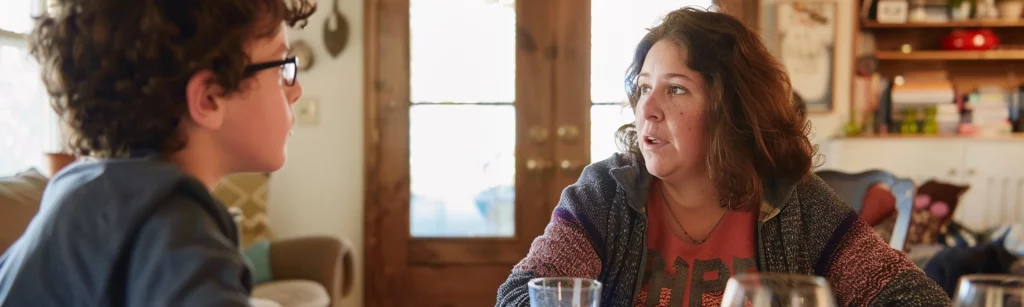
1. Talk before it lands
Start the conversation early:
“If an app could make videos of you – or for you – how would that feel?”
“What kind of videos would you never want made about you?”
“How do you feel about other people using your content and making it their own?”
“How do you feel about AI claiming your content as its own?”
2. Create a consent rule
Make a family policy: no one uses likeness features without checking first. Help your t/ween think about ownership, privacy, and respect.
3. Watch together (sometimes)
Scroll with your teen. Ask questions like:
“Does this feel real?”, “What do you think this clip is trying to make you feel?”
“Do you think these kinds of clips can manipulate you into a space where you don’t clock what is real from what is not real?”
4. Teach “the Pause” around the emotional hook up
AI-generated videos can look fun, artistic, or harmless — until they start quietly shifting what your child sees, feels, or believes.
If the feed always seems to match our kids’ moods – angry, sad, intense – that’s by design. Encourage a quick “mind check”: How do I feel right now? Is this changing my thoughts about my world? Am I okay with this? builds emotional awareness in digital spaces.
5. The “too perfect” effect
If every clip looks flawless glowing faces, cinematic scenes, our kids’ reality radar may start to wobble. Ask: “How does it feel when you watch things that aren’t real for too long?”
6. Identity mix-ups or “Cameos” gone wrong
We need to tell our children that AI might insert their faces, or their likeness in scenes that feel weird or unsafe: It is important that they know the family rules: for example no “cameo” features without family discussion and consent.
7. Hidden Values in Storylines
Even short AI clips can glamorise violence, beauty obsession, or cruelty — often unconsciously.
Ask: “What do you think this video says about what’s ‘normal’ or ‘good’?”
8. The “Can’t Look Away” signal
If your teen can’t stop scrolling – through meals, exhaustion, family outings or sadness – the app is doing exactly what it’s built for. Tip: Create “scroll-stoppers”: phone-free dinners, bedtime cut-offs, no phones in the bedroom/car, and some joint screen breaks so you can do a quick family shop or a walk the dog together.
9. Stay curious, not controlling
Ask genuine questions. Our kids are going to get the AI world long before we do. Curiosity builds trust; our fear or fury just builds firewalls.
10. Upskill your kids with REAL tools when it comes to using AI ethically and safely:
- Klikd Online Course for Tweens and Teens: Gives your child the confidence and practical skills to set boundaries and make safe digital choices, including how to identify catfishers, fake accounts, AI generated images and more. Start today and protect your child’s future.
- Klikd Digital Citizenship Programme for Schools: Bring essential online safety and digital resilience training directly into your school community. Book your school’s programme now and empower every student to navigate their online world wisely.

Klikd Verdict:
Ages 14+ with a strong ‘think twice’ before allowing this beast to barge into your child’s life. This is going to be a brand new ride on a very shiny roller coaster. It will feel brighter, bolder and more exciting than most apps before it. In the end, connection is always going to beat control.
This new app is a glimpse of the digital future… breath-taking, confusing, and full of potential.
Our combined curiosity, our warmth, our willingness to explore the unknown with them – is a powerful safety net in a world where the tightropes seem to get higher and higher.
Latest Blogs
Is checking your child’s device snooping or smart parenting? Discover…
As AI-generated videos flood social platforms like TikTok, the line…
TikTok, AI and Deepfakes: Can Kids Still Tell What’s Real?
By Klikd
Oct 12th, 2025
7 min read
Content provided by Klikd; helping parents, educators, children, and teens cultivate safer, more productive relationships with technology.
OpenAI has launched a brand-new social media app powered by Sora 2, their advanced video tool. At first glance, it looks and feels like TikTok – short, scrollable videos, catchy music, and viral trends.
The twist? Every single video is AI-generated. No real people. No cameras. No reality.
Sora 2 promises creativity, connection, and play. But beneath the shiny surface, it’s also a whole new mental and emotional landscape for t/weens – one where the line between real and fabricated is going to quietly and not so subtly begin to blur.
Let’s unpack the good, the worrying, and how to help your child navigate it safely.
What Exactly Is Sora 2’s New Social App?
In parent friendly terms, here’s what we know at Klikd so far:
- Users can generate 5- to 10-second videos using simple text prompts (“a rainy city at night” or “me dancing on Mars”).
- There’s a “cameo” feature, where users can allow the AI to use their face or likeness in generated videos.
- If someone uses your likeness, you reportedly get a notification, even if the video isn’t published.
- You can remix or re-imagine others’ videos, creating collaborative or competitive chains of content.
- Importantly, you can’t upload real photos or videos — everything is AI-made.
- The app is currently invite-only, launching first on iOS, and powered by OpenAI’s newest video model, Sora 2, which generates synchronised audio and realistic motion.
In other words, it’s a TikTok made of dreams — or deepfakes — depending on who’s using it.
It’s a swipe-able short-video feed, like TikTok and Instagram and SnapChat all having a party – but every video will be created by AI, not filmed by people.
The Promise: Why This Could Be Good
1. A creative playground without cameras:
For shy or private teens, this could be an outlet to express creativity without recording themselves. They can direct, act, or invent stories — without needing a camera or a “perfect” look.
2. Less comparison pressure (sort of):
Because everything is AI, not filmed reality, there might be less pressure to look or live a certain way. The comparison shifts from “Why don’t I look like her?” to “That’s just an AI fantasy.”
3. Learning digital literacy:
This app could be a great space to teach critical thinking: What’s real? What’s AI. Understanding that line is an essential skill for this generation.
4. Identity transparency:
Unlike some apps, Sora 2 will reportedly notify users when their face or likeness is used. That’s a step toward responsible identity management online.
5. A glimpse into the future:
This is where social media is heading — toward blended, co-created, AI-powered realities. Early awareness helps families adapt rather than panic.
The Risks: What Parents Should Watch For
1. Deepfakes & reality confusion:
AI-generated videos can look real. Teens (and adults) might struggle to tell the difference, making misinformation, manipulation, or bullying easier than ever.
2. Misuse of identity:
Even with “notifications,” misuse can happen. Imagine a classmate remixes your child’s face into a weird or suggestive scene — it can feel violating and emotionally damaging.
3. Toxic or disturbing AI content:
Despite “guardrails,” early testers have already surfaced violent, racist, and explicit content slipping through. The AI doesn’t fully understand harm, even when trained not to create it.
4. Addictive design:
The endless scroll factor doesn’t disappear just because it ain’t real. Likes. Remixes. AI-made or not, the engagement mechanics are the same – and they can still hijack our kids attention and mood.
5. Mental health & self-image:
AI perfection – flawless bodies, cinematic lighting, exaggerated lives can quietly distort what’s “normal.” Teens might feel dull or inferior by comparison, even knowing it’s fake.
6. Ownership & consent confusion:
Who owns an AI-generated clip of your teen’s likeness? The app’s policies are still being tested and that legal grey zone could lead to some real creative ownership issues down the road.
7. Emotional fallout:
AI content doesn’t “care.” If a teen is struggling emotionally and creates dark or self-harm-themed clips, the AI won’t intervene with empathy. This gap has already had tragic consequences in other OpenAI contexts.
What Can Parents Do Right Now?
1. Talk before it lands
Start the conversation early:
“If an app could make videos of you – or for you – how would that feel?”
“What kind of videos would you never want made about you?”
“How do you feel about other people using your content and making it their own?”
“How do you feel about AI claiming your content as its own?”
2. Create a consent rule
Make a family policy: no one uses likeness features without checking first. Help your t/ween think about ownership, privacy, and respect.
3. Watch together (sometimes)
Scroll with your teen. Ask questions like:
“Does this feel real?”, “What do you think this clip is trying to make you feel?”
“Do you think these kinds of clips can manipulate you into a space where you don’t clock what is real from what is not real?”
4. Teach “the Pause” around the emotional hook up
AI-generated videos can look fun, artistic, or harmless — until they start quietly shifting what your child sees, feels, or believes.
If the feed always seems to match our kids’ moods – angry, sad, intense – that’s by design. Encourage a quick “mind check”: How do I feel right now? Is this changing my thoughts about my world? Am I okay with this? builds emotional awareness in digital spaces.
5. The “too perfect” effect
If every clip looks flawless glowing faces, cinematic scenes, our kids’ reality radar may start to wobble. Ask: “How does it feel when you watch things that aren’t real for too long?”
6. Identity mix-ups or “Cameos” gone wrong
We need to tell our children that AI might insert their faces, or their likeness in scenes that feel weird or unsafe: It is important that they know the family rules: for example no “cameo” features without family discussion and consent.
7. Hidden Values in Storylines
Even short AI clips can glamorise violence, beauty obsession, or cruelty — often unconsciously.
Ask: “What do you think this video says about what’s ‘normal’ or ‘good’?”
8. The “Can’t Look Away” signal
If your teen can’t stop scrolling – through meals, exhaustion, family outings or sadness – the app is doing exactly what it’s built for. Tip: Create “scroll-stoppers”: phone-free dinners, bedtime cut-offs, no phones in the bedroom/car, and some joint screen breaks so you can do a quick family shop or a walk the dog together.
9. Stay curious, not controlling
Ask genuine questions. Our kids are going to get the AI world long before we do. Curiosity builds trust; our fear or fury just builds firewalls.
10. Upskill your kids with REAL tools when it comes to using AI ethically and safely:
- Klikd Online Course for Tweens and Teens: Gives your child the confidence and practical skills to set boundaries and make safe digital choices, including how to identify catfishers, fake accounts, AI generated images and more. Start today and protect your child’s future.
- Klikd Digital Citizenship Programme for Schools: Bring essential online safety and digital resilience training directly into your school community. Book your school’s programme now and empower every student to navigate their online world wisely.
Klikd Verdict:
Ages 14+ with a strong ‘think twice’ before allowing this beast to barge into your child’s life. This is going to be a brand new ride on a very shiny roller coaster. It will feel brighter, bolder and more exciting than most apps before it. In the end, connection is always going to beat control.
This new app is a glimpse of the digital future… breath-taking, confusing, and full of potential.
Our combined curiosity, our warmth, our willingness to explore the unknown with them – is a powerful safety net in a world where the tightropes seem to get higher and higher.