The digitalisation of society has transformed the way we engage with traditions and cultures, as well as how we preserve them for education and future generations. This isn’t limited to our own country or town, but extends worldwide. Not all of us can experience different countries and cultures in person due to the costs of travel, distance, and other restrictions. But what if you could visit Robben Island through a virtual reality cultural tour, explore the Amazon rainforest, or immerse yourself in the hustle and bustle of Lagos – all from the comfort of your home?
Innovations Bringing the World to Your Screen
Virtual Reality Tours: Travel Without Leaving Home
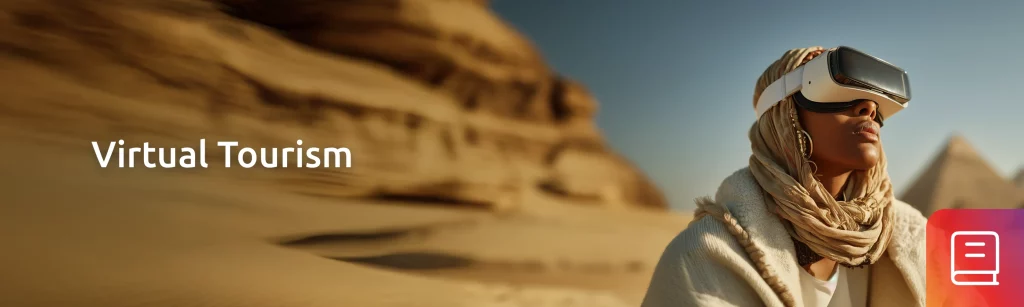
Virtual reality (VR) cultural experiences simulate environments as closely as possible, allowing you to enjoy immersive tours powered by 360° images and videos. You don’t need expensive equipment – just a phone, tablet, or laptop. From touring Robben Island in South Africa to exploring the Louvre Museum in Paris, VR makes global heritage accessible online like never before.
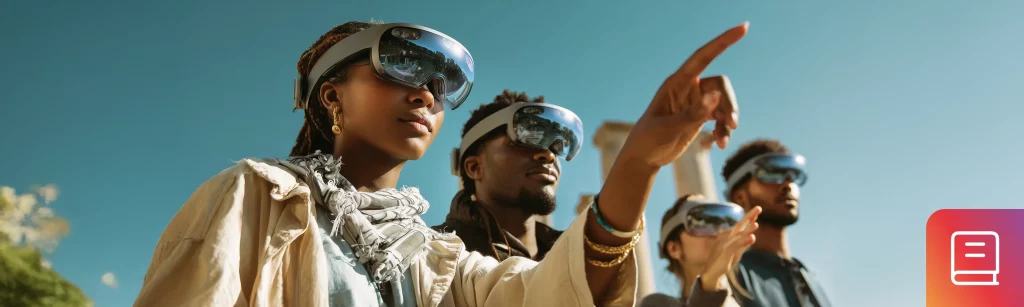
Just like VR, augmented reality (AR) cultural tours offer an interactive and immersive experience through your digital device. AR overlays 3D information onto real-life objects, enriching the way you explore history. Cities like Rome and Paris already use AR for heritage tourism, allowing people to enjoy cultural experiences on-site – or from their couch at home.
3D Scanning Artefacts: Preserving Heritage in Digital Form
3D scanning technology creates highly accurate digital replicas of cultural artefacts, environments, and even people. From traditional clay pots to intricate carvings, 3D scanning allows authentic replicas to be studied, shared, and preserved online without putting the original artefacts at risk – helping to safeguard South African heritage and global traditions for future generations.
Bridging Gaps: Making Heritage Inclusive and Educational
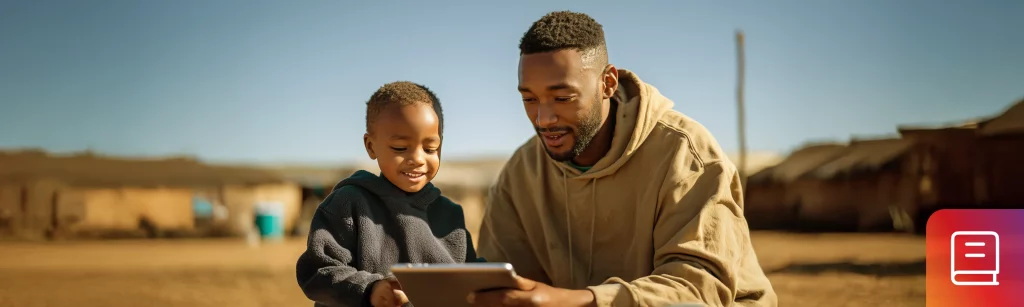
Digitalisation makes culture accessible to people from all walks of life. Initiatives like Project Isizwe, which aims to provide uncapped internet to schools across South Africa, help rural learners engage with heritage they might never encounter in person. With digital tools, students can experience cultural education online not only within South Africa but also across the globe.
International audiences can also engage with diverse traditions, promoting cultural exchange and deeper understanding.
Language apps play a key role too. For example, Google Woolaroo translates photos into one of 17 endangered languages, while Duolingo now offers isiXhosa and isiZulu – helping preserve endangered South African languages digitally. These innovations ensure heritage education online remains engaging, fun, and future-proof.
What’s Next: The Evolution of Digital Heritage
Metaverse Tourism: Virtual Museums and Cultural Hangouts
Heritage locations are starting to embrace the metaverse, creating virtual museums and cultural hangouts where people can explore historic sites and interact with others in real time. This new wave of metaverse tourism offers more collaborative and engaging ways to experience culture from anywhere in the world.
AI Personalised Cultural Tours
Artificial intelligence is transforming digital tourism by creating AI-guided heritage tours tailored to your interests – whether history, art, or hidden cultural gems. Instead of generic information, AI curates unique content for each visitor, making cultural exploration more engaging, meaningful, and memorable.
Crowdsourcing Culture: Stories from Everyday People
The future of digital heritage preservation isn’t just in the hands of historians. Crowdsourcing allows ordinary people to share recipes, traditions, and folktales online. Imagine a digital archive of South African culture where you can access stories from grandmothers in the Eastern Cape, or discover traditional dishes passed down for generations. With AI tools, these stories become easily accessible, ensuring overlooked voices are heard and preserved.
Keeping Stories Alive for Generations to Come
Celebrating and preserving culture may look different in the modern world. However, with today’s digital tools – and future innovations like VR, AR, AI, and the metaverse – we can keep traditions alive for future generations. Heritage isn’t only about remembering; it’s about sharing stories in ways that allow people everywhere to experience and live them too.
The digitalisation of society has transformed the way we engage with traditions and cultures, as well as how we preserve them for education and future generations. This isn’t limited to our own country or town, but extends worldwide. Not all of us can experience different countries and cultures in person due to the costs of travel, distance, and other restrictions. But what if you could visit Robben Island through a virtual reality cultural tour, explore the Amazon rainforest, or immerse yourself in the hustle and bustle of Lagos – all from the comfort of your home?
Innovations Bringing the World to Your Screen
Virtual Reality Tours: Travel Without Leaving Home
Virtual reality (VR) cultural experiences simulate environments as closely as possible, allowing you to enjoy immersive tours powered by 360° images and videos. You don’t need expensive equipment – just a phone, tablet, or laptop. From touring Robben Island in South Africa to exploring the Louvre Museum in Paris, VR makes global heritage accessible online like never before.
Just like VR, augmented reality (AR) cultural tours offer an interactive and immersive experience through your digital device. AR overlays 3D information onto real-life objects, enriching the way you explore history. Cities like Rome and Paris already use AR for heritage tourism, allowing people to enjoy cultural experiences on-site – or from their couch at home.
3D Scanning Artefacts: Preserving Heritage in Digital Form
3D scanning technology creates highly accurate digital replicas of cultural artefacts, environments, and even people. From traditional clay pots to intricate carvings, 3D scanning allows authentic replicas to be studied, shared, and preserved online without putting the original artefacts at risk – helping to safeguard South African heritage and global traditions for future generations.
Bridging Gaps: Making Heritage Inclusive and Educational
Digitalisation makes culture accessible to people from all walks of life. Initiatives like Project Isizwe, which aims to provide uncapped internet to schools across South Africa, help rural learners engage with heritage they might never encounter in person. With digital tools, students can experience cultural education online not only within South Africa but also across the globe.
International audiences can also engage with diverse traditions, promoting cultural exchange and deeper understanding.
Language apps play a key role too. For example, Google Woolaroo translates photos into one of 17 endangered languages, while Duolingo now offers isiXhosa and isiZulu – helping preserve endangered South African languages digitally. These innovations ensure heritage education online remains engaging, fun, and future-proof.
What’s Next: The Evolution of Digital Heritage
Metaverse Tourism: Virtual Museums and Cultural Hangouts
Heritage locations are starting to embrace the metaverse, creating virtual museums and cultural hangouts where people can explore historic sites and interact with others in real time. This new wave of metaverse tourism offers more collaborative and engaging ways to experience culture from anywhere in the world.
AI Personalised Cultural Tours
Artificial intelligence is transforming digital tourism by creating AI-guided heritage tours tailored to your interests – whether history, art, or hidden cultural gems. Instead of generic information, AI curates unique content for each visitor, making cultural exploration more engaging, meaningful, and memorable.
Crowdsourcing Culture: Stories from Everyday People
The future of digital heritage preservation isn’t just in the hands of historians. Crowdsourcing allows ordinary people to share recipes, traditions, and folktales online. Imagine a digital archive of South African culture where you can access stories from grandmothers in the Eastern Cape, or discover traditional dishes passed down for generations. With AI tools, these stories become easily accessible, ensuring overlooked voices are heard and preserved.
Keeping Stories Alive for Generations to Come
Celebrating and preserving culture may look different in the modern world. However, with today’s digital tools – and future innovations like VR, AR, AI, and the metaverse – we can keep traditions alive for future generations. Heritage isn’t only about remembering; it’s about sharing stories in ways that allow people everywhere to experience and live them too.