By Thabo Peyi
Sep 1st, 2026
12 min read
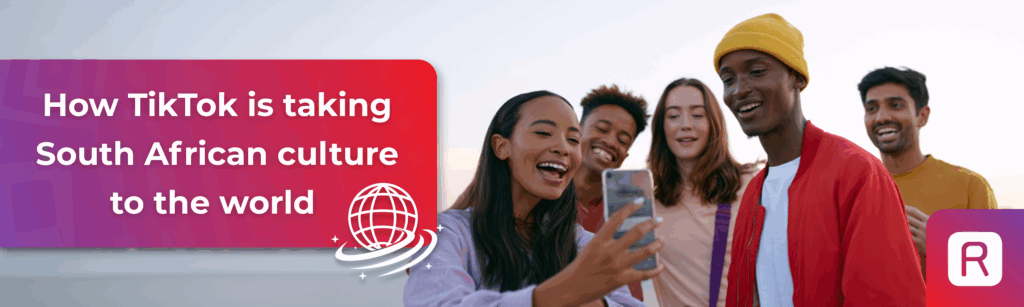
How TikTok Is Taking South African Culture to the World
What was once seen as a dance app for kids has evolved into so much more. TikTok isn’t just about dance trends; it has become a place where you can learn about an entire country in less than a minute, discover new music, pick up local lingo, learn a language and understand the traditions of a specific group of people.
One video can reach millions of people and spark a new trend, whether it’s fashion, dance or slang. TikTok has made the world more accessible than ever before, allowing cultures, ideas and traditions to travel further and reach audiences they may never have reached otherwise.
TikTok has also become a place where South Africans can get their news, not just international headlines, but stories impacting local communities as they happen. It gives people access to grassroots news and issues that may not always receive coverage from traditional and mainstream media.
But how is TikTok changing South African culture? From slang and dance to Amapiano, food, fashion and everyday life, South African creators are using the platform to showcase what makes the country unique and introduce it to audiences around the world.
Related
Categories
All
Entertainment
Self Help
Tech News
Company Updates
Community
Social Media
South African Slang Is Going Global
With TikTok’s algorithm, a video from South Africa can reach a viewer in the UK, who can then repost it, allowing that same video to appear on a viewer’s feed in the USA. This is how local South African slang such as “aweh”, “yebo”, “eish” and “yoh” can go viral and reach audiences across the world.
Slang is also a way for creators to build their own communities. For example, Intezaar Kippie, a famous South African influencer with over 500,000 followers on TikTok and more than 100,000 followers on Instagram, became known for his signature catchphrase, “Hoya Mense”, which he says before starting his videos.
Whenever someone uses the phrase, people automatically associate it with him, creating an online community around a phrase that has crossed borders.
How TikTok Is Taking South African Music and Dance Global
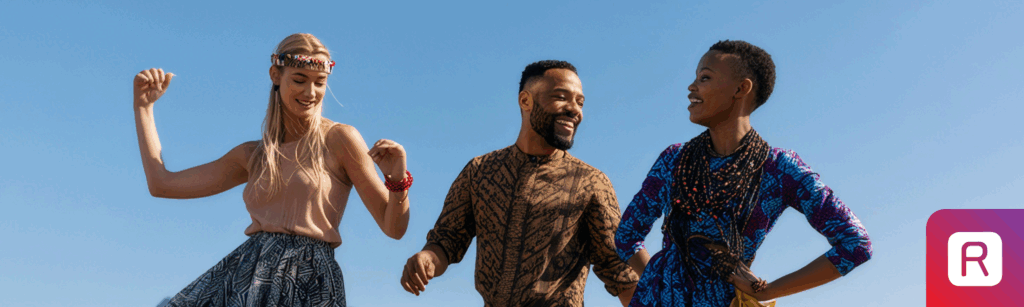
TikTok has become a powerful platform for South African music and dance, helping local trends reach audiences far beyond the country’s borders. The rise of genres such as Amapiano and Gqom has gone hand in hand with the popularity of South African dance trends, creating a cultural export that can reach millions of people with just one video.
Dances that originated in townships across South Africa are now being performed around the world, appearing in music videos and helping songs gain international attention. The Zep, for example, went viral on TikTok in South Africa before making its way onto the global stage, with users in Korea and around the world sharing videos of themselves performing the dance.
Earlier this year, Drake released an album, and users began sharing videos of famous South African DJ Mr Maphorisa dancing, overlaying the footage with Drake’s song “SHABANG”. The video went viral, and its popularity was credited with helping the song reach number four on the Billboard charts in its first week. Other trends, such as the “Skeur Hom” dance, further demonstrate how South African dance and music can move from local communities into the global sphere.
The growing popularity of these dance trends has also helped shine a spotlight on South African music. Amapiano, in particular, has experienced significant international growth. According to Chartlex, the genre was streamed around 100 million times in South Africa in 2020, compared with 1.4 billion streams in 2023, highlighting its rapid rise.
TikTok has played a role in this growth by giving established artists a platform to promote their music, while smaller DJs can share mixes, snippets and clips from their gigs with audiences they may never have reached through traditional media. A DJ can post a short preview of an unreleased track, create excitement around it and encourage users to share the sound, potentially turning a local release into a global trend.
But the influence goes beyond music itself. Amapiano on TikTok gives international audiences a glimpse into wider South African culture, from dance and fashion to language, lifestyle and the communities surrounding the genre.
TikTok has therefore become more than just a promotional tool for South African artists and dancers. It has helped shorten the distance between local dance floors, DJs and musicians and a global audience, removing many of the traditional barriers to entry. In the process, South African music and culture can be discovered, shared and experienced by people around the world, often before they even realise where the trend began.

South African Humour, Fashion, Lifestyle and Sport
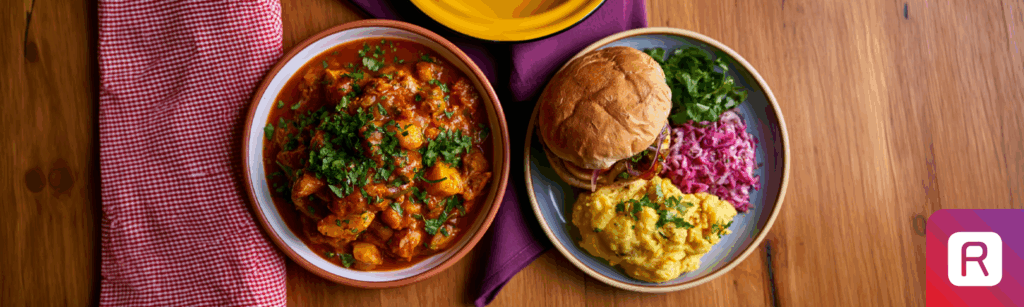
South Africa is more than just music and dance. Through TikTok, other facets of South African culture can be exported to a global audience, including the food we eat and how we prepare it.
A big international food creator could post a video showing their millions of followers how to make a traditional South African Gatsby or Kota, introducing audiences around the world to South African food.
Videos such as “Day in My Life” can also give international audiences a glimpse into what life in South Africa looks like.
Tyla’s rise through TikTok has also given viewers a glimpse into the diversity of South African accents and the different phrases we use in our everyday lives. TikTok allows creators in South Africa to show the world what the country looks like from their perspective.
South Africa is a diverse country, so living here can look very different depending on who you are, where you live and the communities you are part of.
From humour and fashion to food, music and everyday experiences, these videos provide an authentic look at the country that traditional media cannot always capture.
TikTok also makes local sports more accessible, whether it’s domestic professional leagues or amateur competitions. With the rise of local sports content creators, a single “side step” or “show me your number” from a dusty pitch in rural South Africa can reach millions of people around the world, further promoting South African sport and culture to a global audience.
How TikTok Is Changing the Way the World Sees South Africa
For years, South African culture has travelled beyond the country’s borders through music, sport, food and entertainment. What has changed is the speed and accessibility with which people can now discover it.
TikTok has created a direct connection between South African creators and a global audience. A creator does not necessarily need a record label, television appearance or international media coverage to reach people overseas.
A 30-second video can introduce someone in Seoul, London or New York to a South African dance, song, phrase or meal.
This is what makes TikTok and South African culture such an interesting combination. The platform doesn’t simply allow South Africans to consume global culture; it gives them an opportunity to actively shape it.
South Africa: Culture for the World
South African culture is not new to the international stage. Our food, music, dance and sport have been part of the global sphere for years, but TikTok has given South Africa a stage that is easily accessible to everyone.
TikTok is changing South African culture by giving creators the tools to share their experiences with the world while allowing international audiences to discover the many different sides of South African life.
And with new creators, sounds and trends emerging every day, one question remains: what South African trend will be next to take the world by storm?
Latest Blogs
Technology can provide an extra layer of support when you…
Looking for a reliable internet provider? Discover why thousands of…
How TikTok Is Taking South African Culture to the World
Thabo Peyi
Sep 1st, 2026
12 min read
What was once seen as a dance app for kids has evolved into so much more. TikTok isn’t just about dance trends; it has become a place where you can learn about an entire country in less than a minute, discover new music, pick up local lingo, learn a language and understand the traditions of a specific group of people.
One video can reach millions of people and spark a new trend, whether it’s fashion, dance or slang. TikTok has made the world more accessible than ever before, allowing cultures, ideas and traditions to travel further and reach audiences they may never have reached otherwise.
TikTok has also become a place where South Africans can get their news, not just international headlines, but stories impacting local communities as they happen. It gives people access to grassroots news and issues that may not always receive coverage from traditional and mainstream media.
But how is TikTok changing South African culture? From slang and dance to Amapiano, food, fashion and everyday life, South African creators are using the platform to showcase what makes the country unique and introduce it to audiences around the world.
South African Slang Is Going Global
With TikTok’s algorithm, a video from South Africa can reach a viewer in the UK, who can then repost it, allowing that same video to appear on a viewer’s feed in the USA. This is how local South African slang such as “aweh”, “yebo”, “eish” and “yoh” can go viral and reach audiences across the world.
Slang is also a way for creators to build their own communities. For example, Intezaar Kippie, a famous South African influencer with over 500,000 followers on TikTok and more than 100,000 followers on Instagram, became known for his signature catchphrase, “Hoya Mense”, which he says before starting his videos.
Whenever someone uses the phrase, people automatically associate it with him, creating an online community around a phrase that has crossed borders.
How TikTok Is Taking South African Music and Dance Global
TikTok has become a powerful platform for South African music and dance, helping local trends reach audiences far beyond the country’s borders. The rise of genres such as Amapiano and Gqom has gone hand in hand with the popularity of South African dance trends, creating a cultural export that can reach millions of people with just one video.
Dances that originated in townships across South Africa are now being performed around the world, appearing in music videos and helping songs gain international attention. The Zep, for example, went viral on TikTok in South Africa before making its way onto the global stage, with users in Korea and around the world sharing videos of themselves performing the dance.
Earlier this year, Drake released an album, and users began sharing videos of famous South African DJ Mr Maphorisa dancing, overlaying the footage with Drake’s song “SHABANG”. The video went viral, and its popularity was credited with helping the song reach number four on the Billboard charts in its first week. Other trends, such as the “Skeur Hom” dance, further demonstrate how South African dance and music can move from local communities into the global sphere.
The growing popularity of these dance trends has also helped shine a spotlight on South African music. Amapiano, in particular, has experienced significant international growth. According to Chartlex, the genre was streamed around 100 million times in South Africa in 2020, compared with 1.4 billion streams in 2023, highlighting its rapid rise.
TikTok has played a role in this growth by giving established artists a platform to promote their music, while smaller DJs can share mixes, snippets and clips from their gigs with audiences they may never have reached through traditional media. A DJ can post a short preview of an unreleased track, create excitement around it and encourage users to share the sound, potentially turning a local release into a global trend.
But the influence goes beyond music itself. Amapiano on TikTok gives international audiences a glimpse into wider South African culture, from dance and fashion to language, lifestyle and the communities surrounding the genre.
TikTok has therefore become more than just a promotional tool for South African artists and dancers. It has helped shorten the distance between local dance floors, DJs and musicians and a global audience, removing many of the traditional barriers to entry. In the process, South African music and culture can be discovered, shared and experienced by people around the world, often before they even realise where the trend began.
South African Humour, Fashion, Lifestyle and Sport
South Africa is more than just music and dance. Through TikTok, other facets of South African culture can be exported to a global audience, including the food we eat and how we prepare it.
A big international food creator could post a video showing their millions of followers how to make a traditional South African Gatsby or Kota, introducing audiences around the world to South African food.
Videos such as “Day in My Life” can also give international audiences a glimpse into what life in South Africa looks like.
Tyla’s rise through TikTok has also given viewers a glimpse into the diversity of South African accents and the different phrases we use in our everyday lives. TikTok allows creators in South Africa to show the world what the country looks like from their perspective.
South Africa is a diverse country, so living here can look very different depending on who you are, where you live and the communities you are part of.
From humour and fashion to food, music and everyday experiences, these videos provide an authentic look at the country that traditional media cannot always capture.
TikTok also makes local sports more accessible, whether it’s domestic professional leagues or amateur competitions. With the rise of local sports content creators, a single “side step” or “show me your number” from a dusty pitch in rural South Africa can reach millions of people around the world, further promoting South African sport and culture to a global audience.
How TikTok Is Changing the Way the World Sees South Africa
For years, South African culture has travelled beyond the country’s borders through music, sport, food and entertainment. What has changed is the speed and accessibility with which people can now discover it.
TikTok has created a direct connection between South African creators and a global audience. A creator does not necessarily need a record label, television appearance or international media coverage to reach people overseas.
A 30-second video can introduce someone in Seoul, London or New York to a South African dance, song, phrase or meal.
This is what makes TikTok and South African culture such an interesting combination. The platform doesn’t simply allow South Africans to consume global culture; it gives them an opportunity to actively shape it.
South Africa: Culture for the World
South African culture is not new to the international stage. Our food, music, dance and sport have been part of the global sphere for years, but TikTok has given South Africa a stage that is easily accessible to everyone.
TikTok is changing South African culture by giving creators the tools to share their experiences with the world while allowing international audiences to discover the many different sides of South African life.
And with new creators, sounds and trends emerging every day, one question remains: what South African trend will be next to take the world by storm?